St Patricks Plains Wind Farm
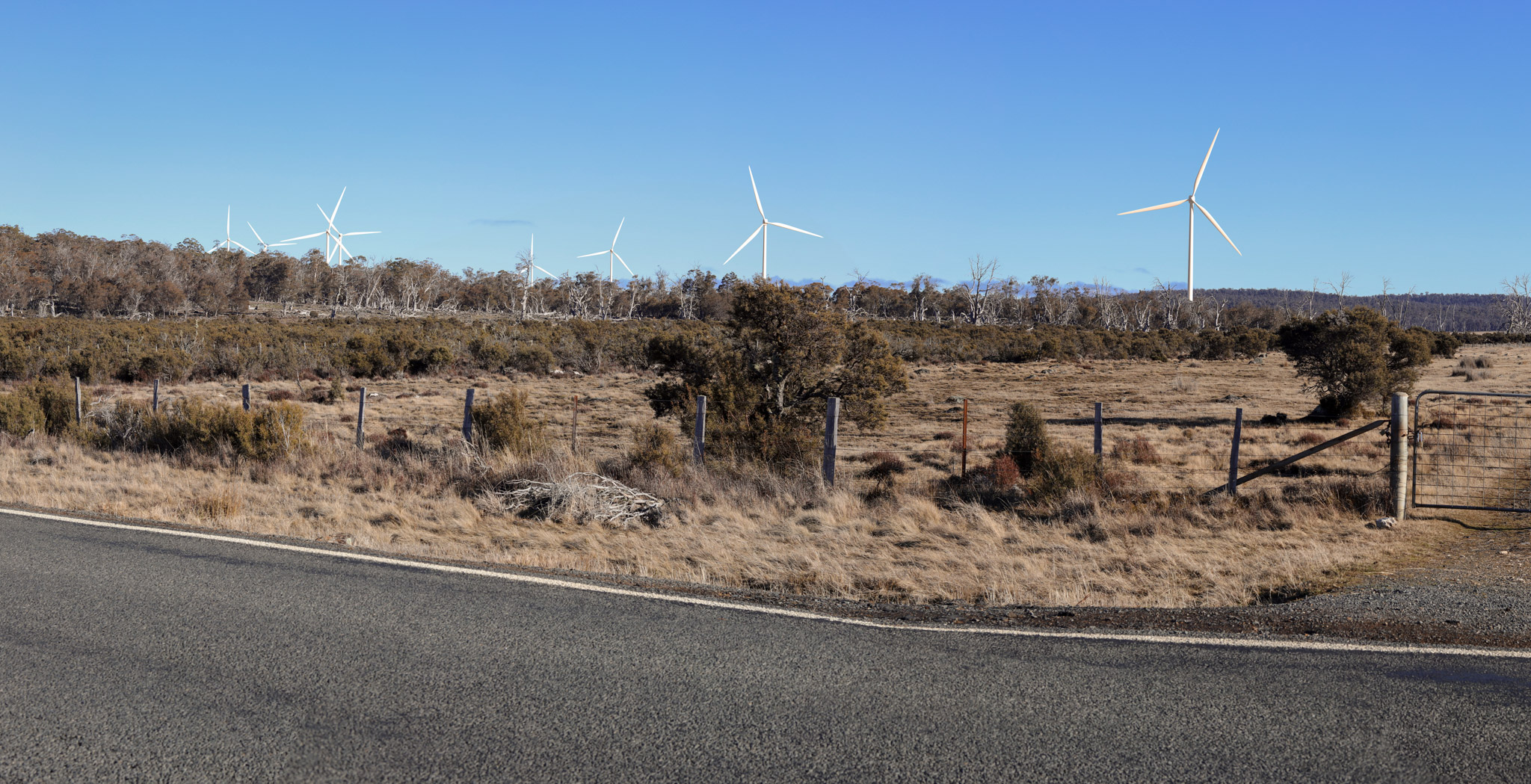
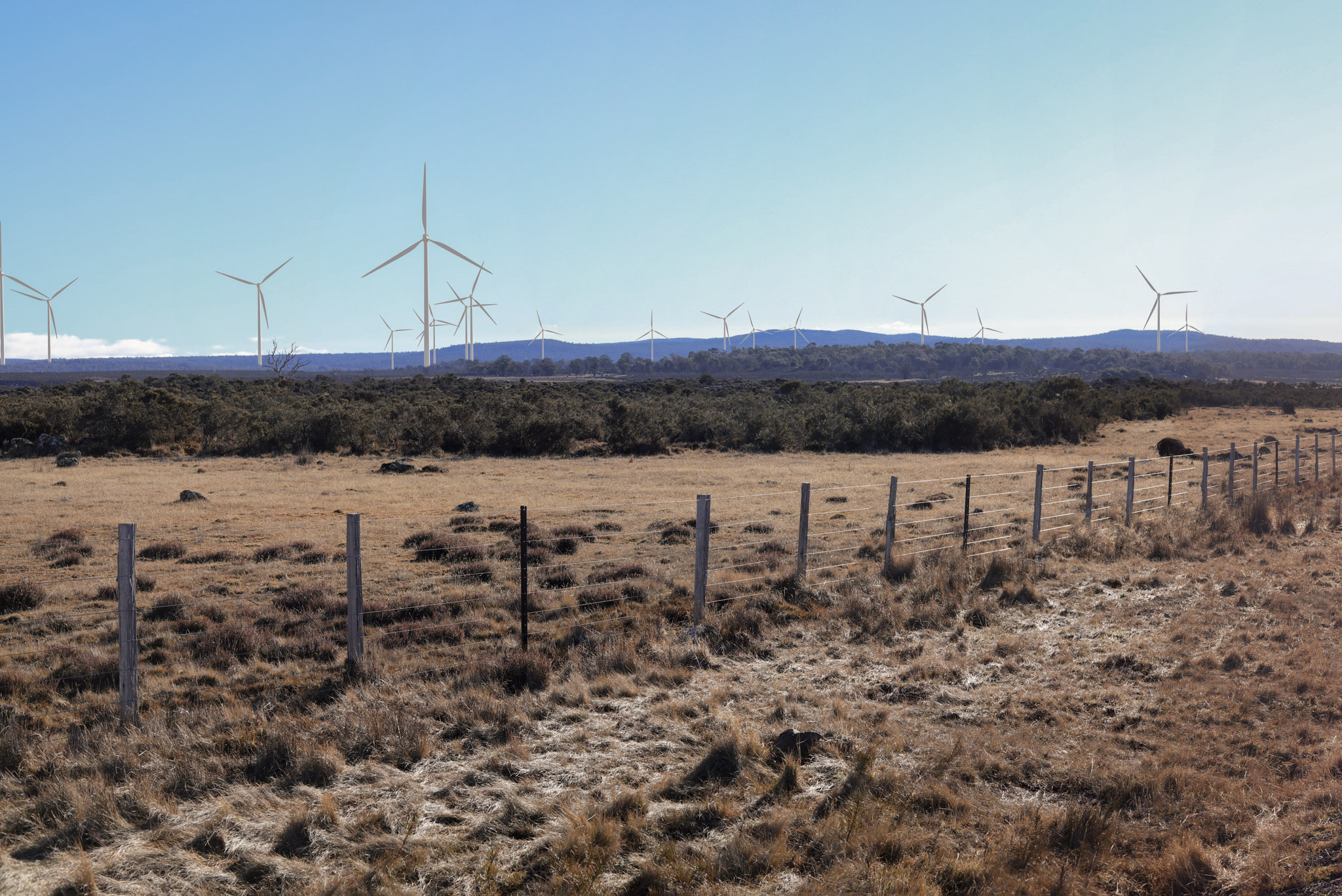
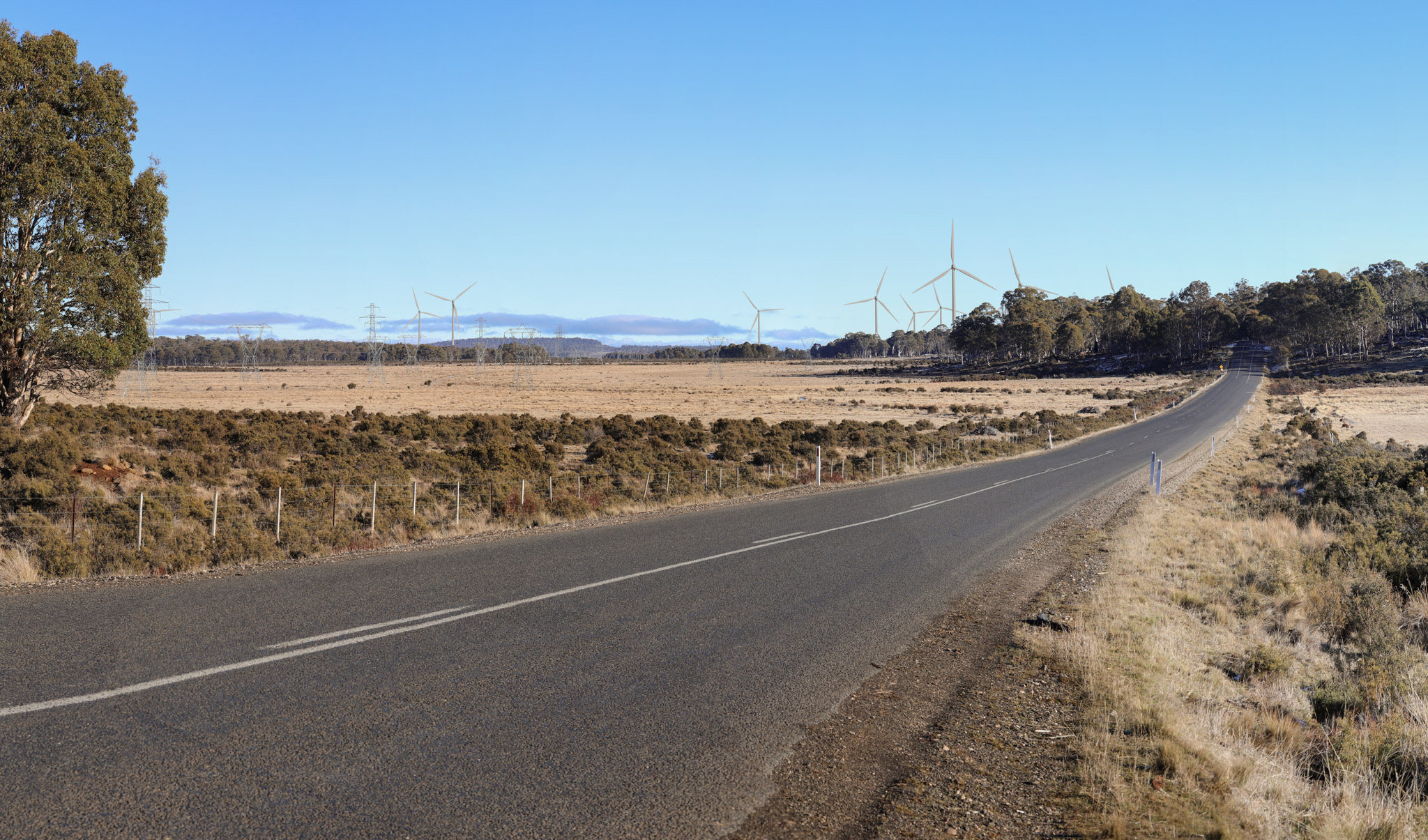
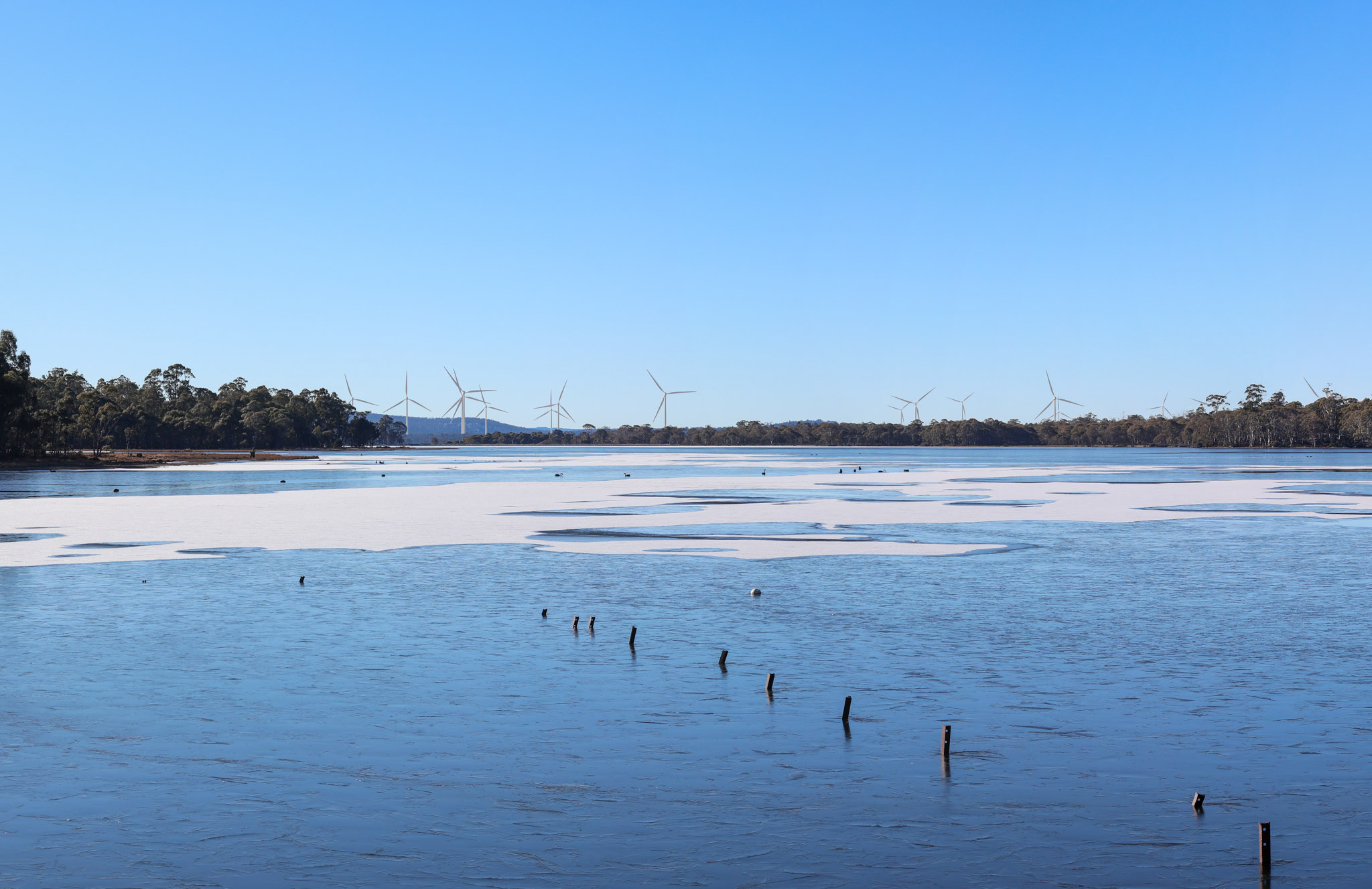
Tasmania’s Central Highlands is entering a new chapter as renewable energy projects take shape across the region. Hansen’s Landscape Architecture and Visualisation teams contributed to this transition by preparing the Landscape and Visual Impact Assessment (LVIA) and providing expert evidence for the proposed St Patricks Plains Wind Farm during a TASCAT appeal.
The project includes 47 wind turbine generators, each about 231 metres high, located roughly 10 kilometres south-east of Miena and 25 kilometres north of Bothwell. The site sits within the candidate Central Highlands Renewable Energy Zone and adjoins Tasmania’s main north-south transmission corridor.
Given the remote and open landscape, the teams assessed how the turbines would sit within the broader high-country setting. Their work examined views from nearby communities, key travel routes, and popular vantage points. It also considered the region’s distinct visual character and the scale of change introduced by the wind farm.
Key considerations included the relationship with neighbouring properties, local environmental sensitivities, and buffer distances around eagle nesting sites. The proposal also introduces a community fund designed to support local initiatives and share benefits with surrounding areas.
The wind farm will connect to the existing Palmerston-Waddamana transmission line through a new substation. This connection enables electricity to move north or south as required and supports Tasmania’s renewable energy network by allowing hydro generators to conserve water during windy periods.
LOCATION
Central Highlands, TAS
Lairmairrener Country
CLIENT
Ark Energy
SERVICE
Landscape Architecture, Visualisation
SECTOR
Renewables, Evidence