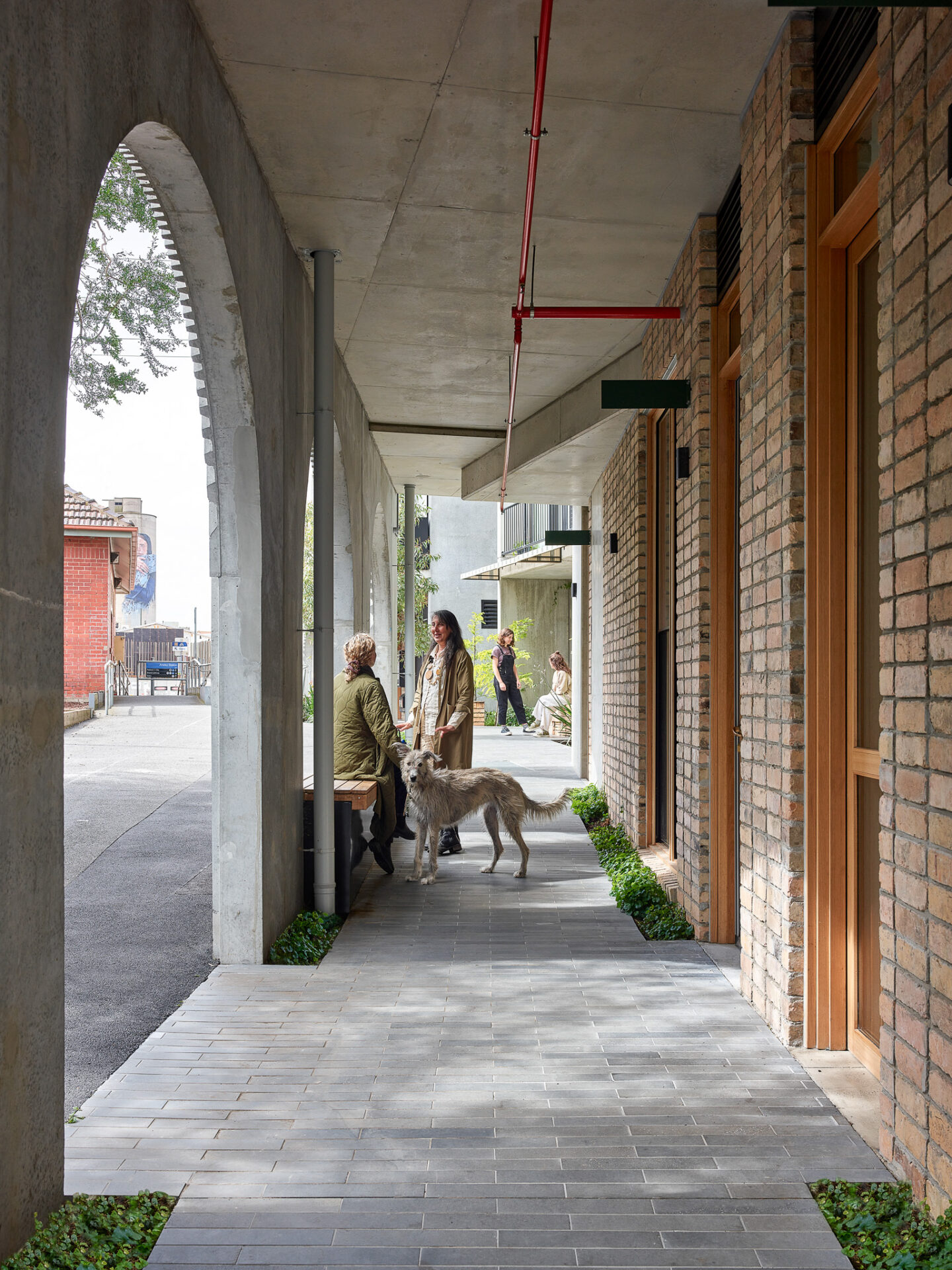
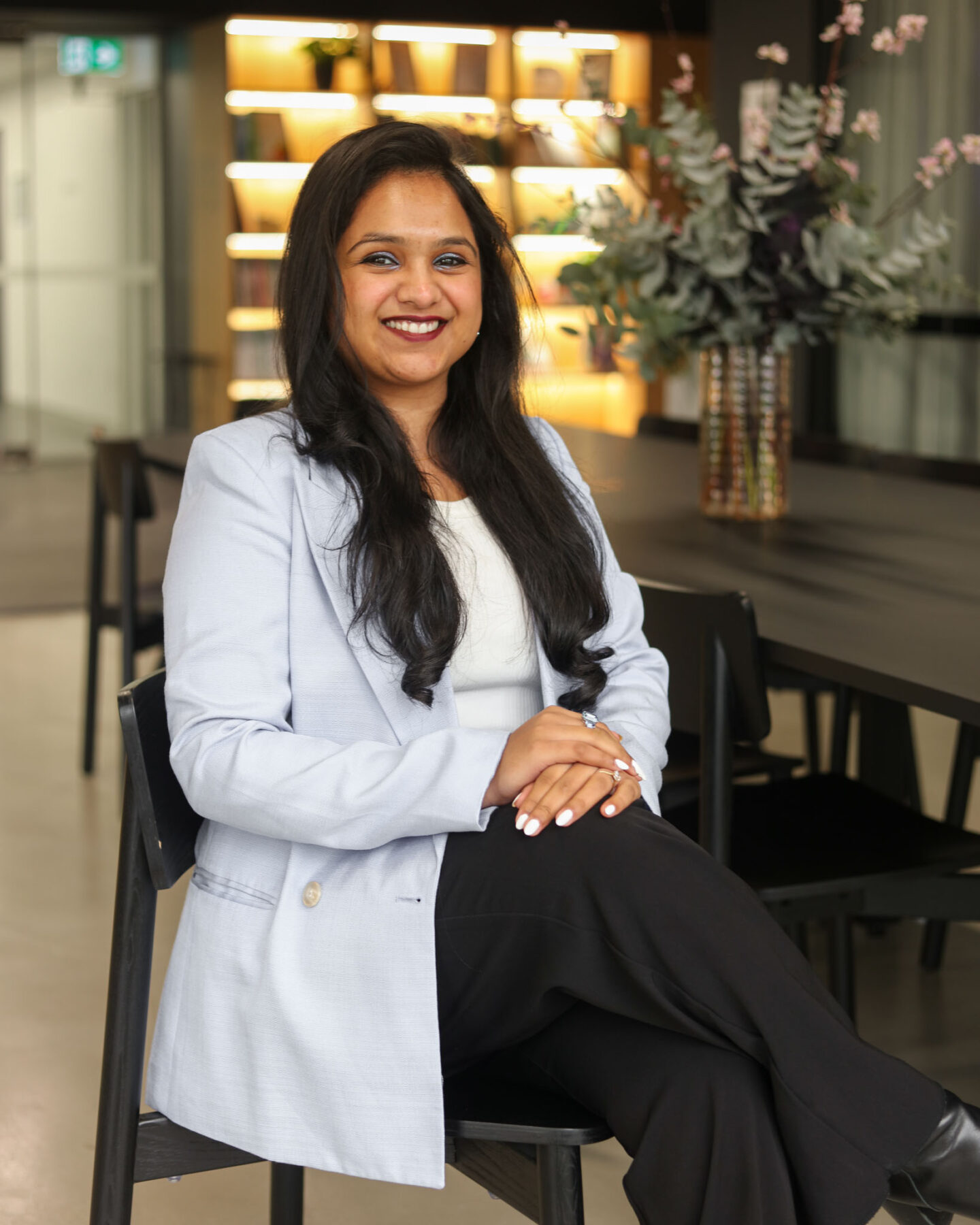
The City wasn’t built for you. Let’s fix that.
Melbourne is one of the most culturally diverse cities on earth. One in two Melburnians is a first or second-generation migrant. 32% of every one hundred households speak a language other than English at home. And yet, walk into most planning panels, design review boards, precinct masterplan workshops, or community engagements and ask yourself: does this room look like that city? It rarely does.
That gap, between the city we are designing and the city that actually lives here, is not a values misalignment. It is a structural gap. And it is one that our profession has the tools and the responsibility to fix.
I should say where I am speaking from.
I am an Indonesian of Chinese heritage. I grew up knowing that being culturally different was not an identity question. It was a survival question. When a country turns on a particular cultural group during hard times, you learn very quickly what it means to be visible in the wrong way.
In Singapore, I looked like I blended in but was constantly reminded I was an outsider. In Australia, I arrived as an international student and eventually understood that I had been welcomed primarily for my fees, as a commodity.
It is only recently, after more than two decades building a career in urban design in Melbourne, that I have felt I could be fully myself without wearing what I call the ‘metaphorical beard of assimilation’.
It is through this lens that I read every structure plan, every street design, every public realm and built form brief that crosses my desk. I know what it feels like to move through a city that was not designed for you. And I know, professionally, exactly where in the process it goes wrong.
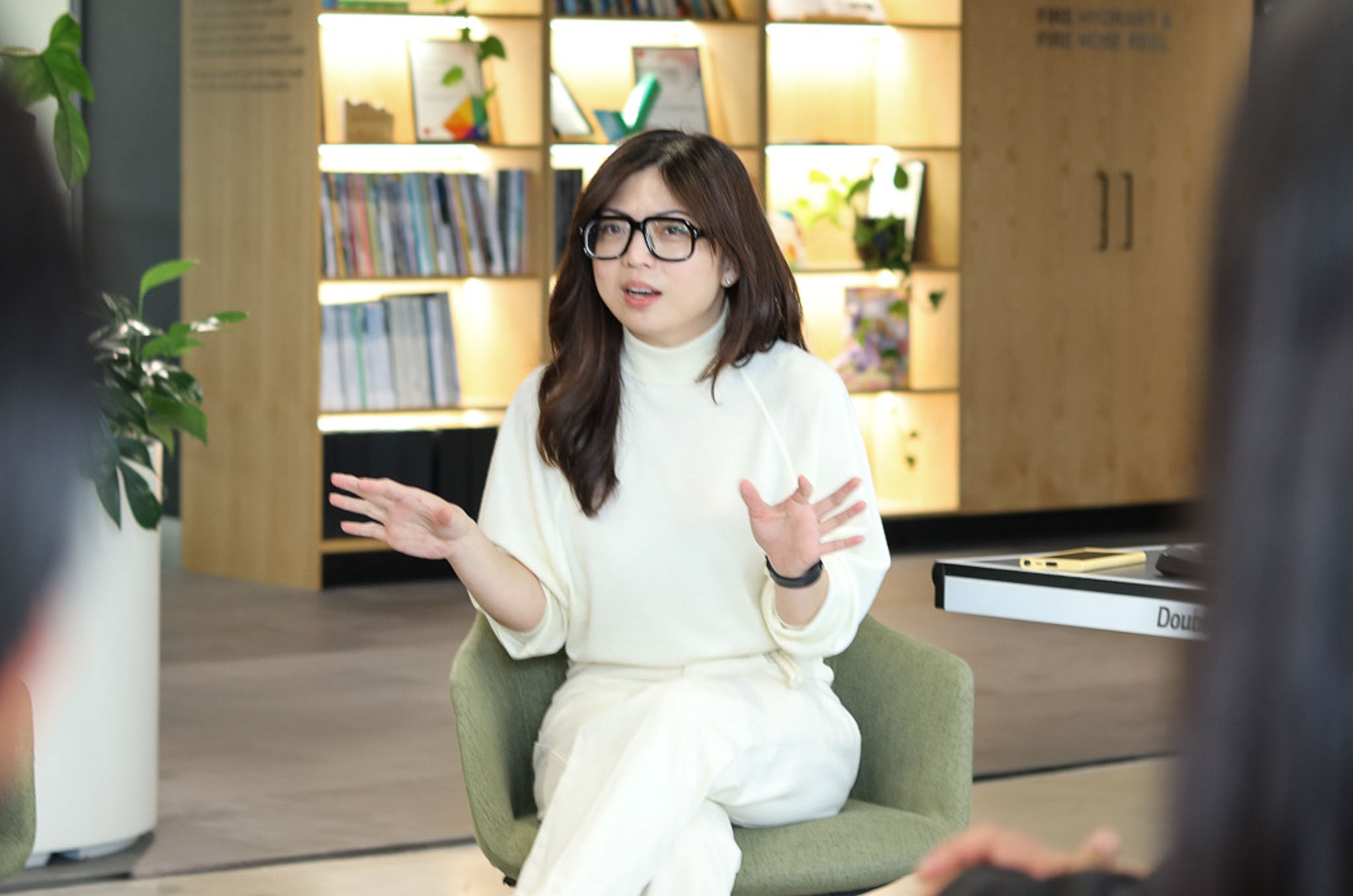
Image Source: Hansen Partnership
Diversity has a geographic location.
Melbourne’s cultural communities are not distributed evenly across the metropolitan area. Vietnamese communities anchor the west and inner north. South Asian communities are concentrated in the southeast. East African communities are growing rapidly in the northern growth corridors. Chinese Australian communities have transformed Box Hill into something closer to a genuine Asian third place than anything a planner could have intentionally designed.
When we treat Melbourne as a single homogeneous design client, we produce spaces that work for an imagined resident who looks nothing like the actual population. The Town Centre and High Street with a 6pm closing time. The community centre with a meeting room and no commercial kitchen. The housing typology that has no consideration for multi-generational living. These are not bad designs. They are designs for someone else.
The question I bring to every precinct brief is simple: who is this actually for? Who will walk these streets, gather in these parks, and raise their children in this neighbourhood?
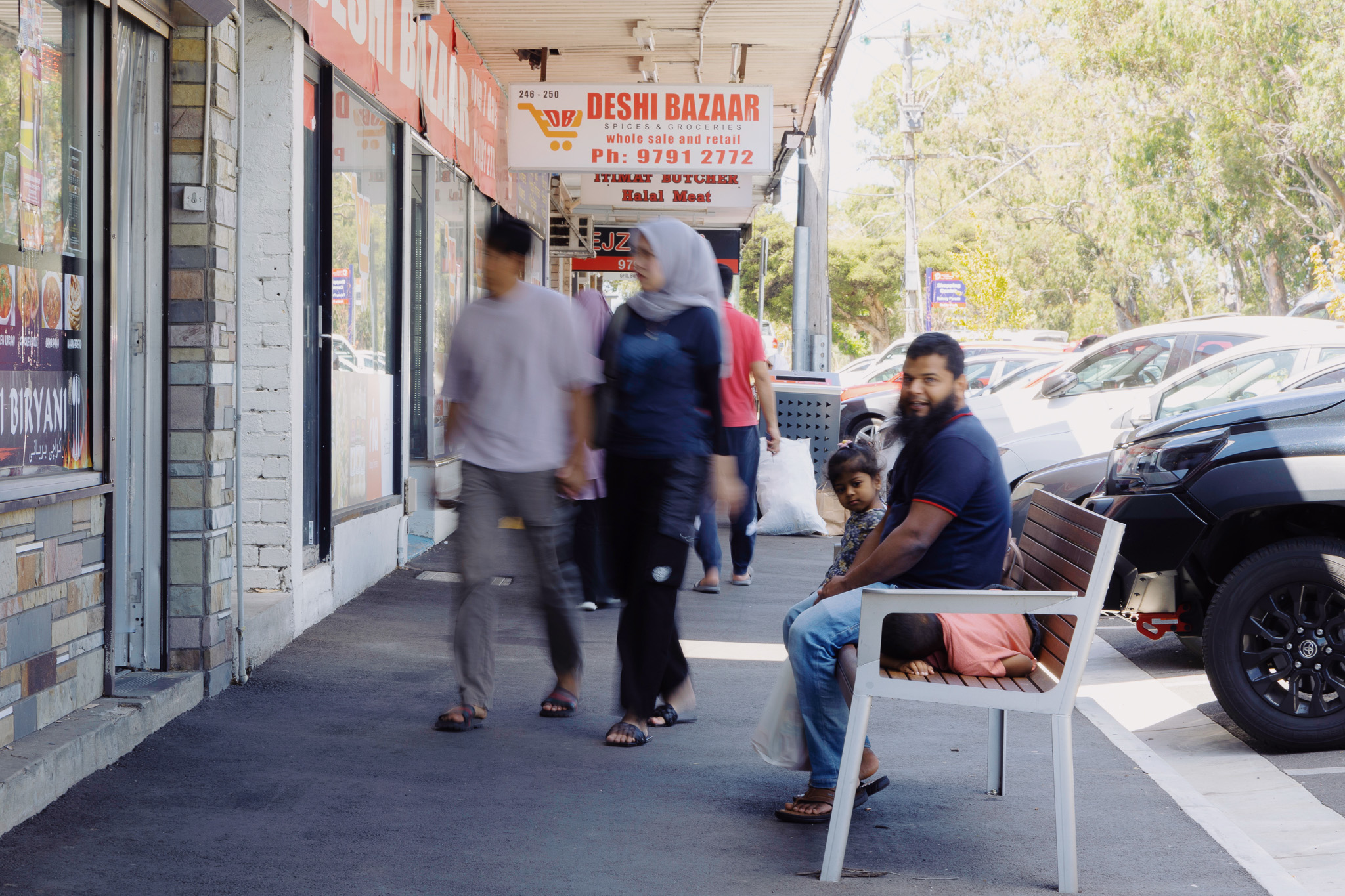
Railway Parade, Noble Park. Image Source: Land Media (Webster Cao)
The third-place gap.
Urban design borrowed the concept of the third place, the social spaces beyond home and work where community life happens, from European and North American thinking. The pub. The square. The park.
But the third place looks profoundly different across cultures. In much of Southeast Asia and East Asia, it is the hawker centre, the kopitiam, the wet market, the kaki lima or five-foot way. It is covered and climate responsive. It is multigenerational by default, not by design. It opens at 6am and again at 10pm. Food is not a pretext for gathering. Food is the act of community itself.
When we design precincts in Melbourne’s growth corridors, where a significant proportion of incoming residents bring this relationship to public space precisely, we are still largely producing the European model. And then we wonder why the park is empty on Sunday mornings while the food court three suburbs over is packed.
I had the privilege of delivering the Darebin Streets for People program. It pointed toward a different approach. By establishing groups of local ‘Street Champions’, people who live and work in the study area, it introduced lived experience as a legitimate design input alongside traffic data and sunlight studies. A resident who walks a street every day holds knowledge that no dataset captures. That knowledge is evidence.
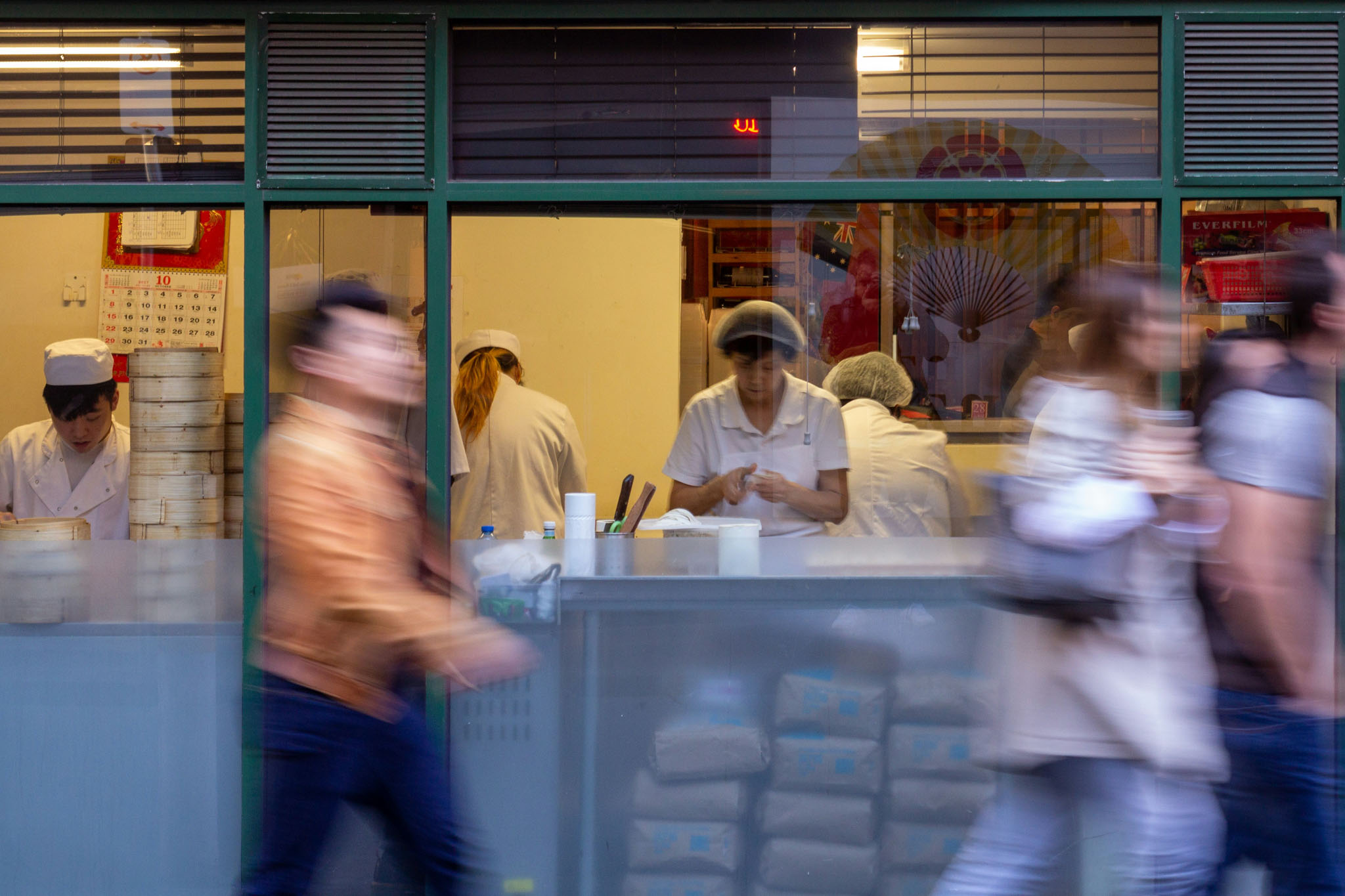
Restaurant front in Box Hill. Image Source: Unsplash
The structural problem.
Here is the harder truth. The mismatch between Melbourne’s cultural diversity and its built environment is not primarily a failure of individual design. It is a structural lag.
Decision makers and advisory bodies in planning and design are weighted toward experience. Decades of it. The voices shaping our cities today largely reflect the profession as it was built twenty, thirty, or forty years ago.
Melbourne’s cultural transformation, while not new, has accelerated most visibly over the last fifteen to twenty years. The communities that now make up half this city arrived, established themselves, educated their children, and entered the professions on a timeline that puts them at mid-career at best. Their leaders are only just arriving at the tables where decisions get made.
At every tier of the Victorian planning system, from state policy to statutory panels to local permit decisions to the consultants commissioned to do the work, the cultural diversity of Melbourne’s communities is underrepresented among the people making decisions. Not because of malice. Because of the pipeline, because of professional culture, and because lived experience continues to be treated as anecdote rather than evidence.
As the first Asian woman to lead a team at Hansen Partnership, I am aware that I occupy a position that should not still be notable in 2026. But I also know that the path required, is not just about competence but one that requires a particular kind of stamina. The stamina of contributing from rooms that were not built for you, while making the work better in ways that rarely get attributed. That stamina should not be a prerequisite for influence.
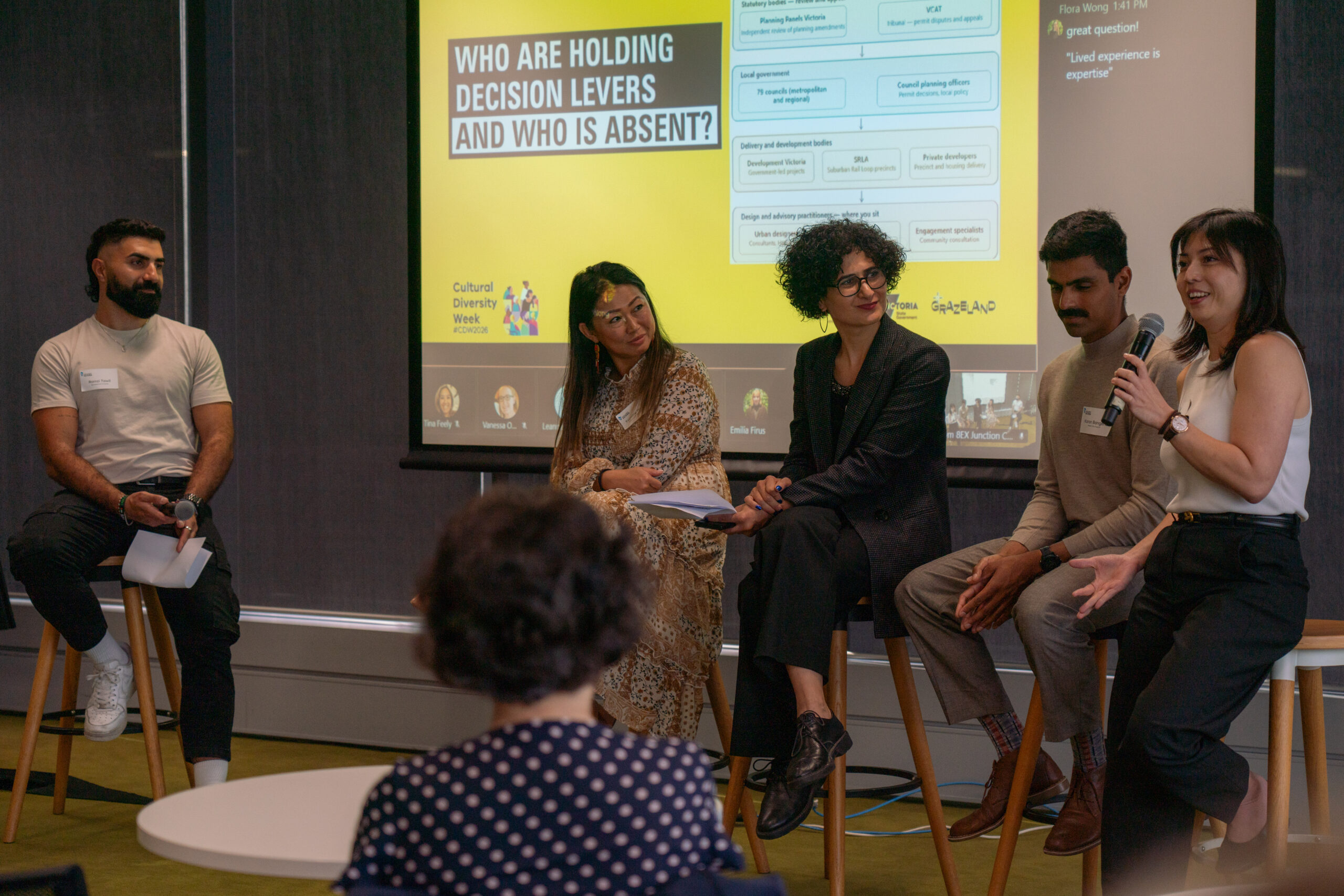
Gerhana speak at Development Victoria’s Cultural Diversity Lunch. Image Source: Development Victoria
What good looks like.
Culturally inclusive urban design is not complicated. It requires three commitments, and none of them are beyond us.
First, treat demographic research as design research. The demographic profile of a catchment is a design brief. Who lives there, how they gather, when they activate public space, what food means to their social life – these are not sociological curiosities. They are spatial instructions.
Second, accept lived experience as expertise. Engagement structures should be built around communities rather than asking communities to navigate formats that were never designed for them. A drop-in session on a Wednesday evening at a council office is not neutral. Genuine engagement goes to where people are, in the language they speak, at the times that work for their lives. And what community members say should carry evidential weight in the design process, not be filtered into a dot point under community feedback noted.
Third, support diverse leadership now. People in the room at the point where built form and precinct decisions are actually made must bring genuine cultural knowledge rather than goodwill alone. Representation at the delivery end of a project, while strategy has already been set by a homogeneous leadership group, is not inclusion.
Melbourne is already one of the most culturally diverse cities on earth. Every design decision encodes an assumption about who the city is for. The precincts and neighbourhoods being designed right now will either reflect that reality or they will not. There is no neutral position.
The only remaining question is whether we have the will to design for the city that actually lives here.
Author: Gerhana Waty, Director of Urban Design, Hansen Partnership