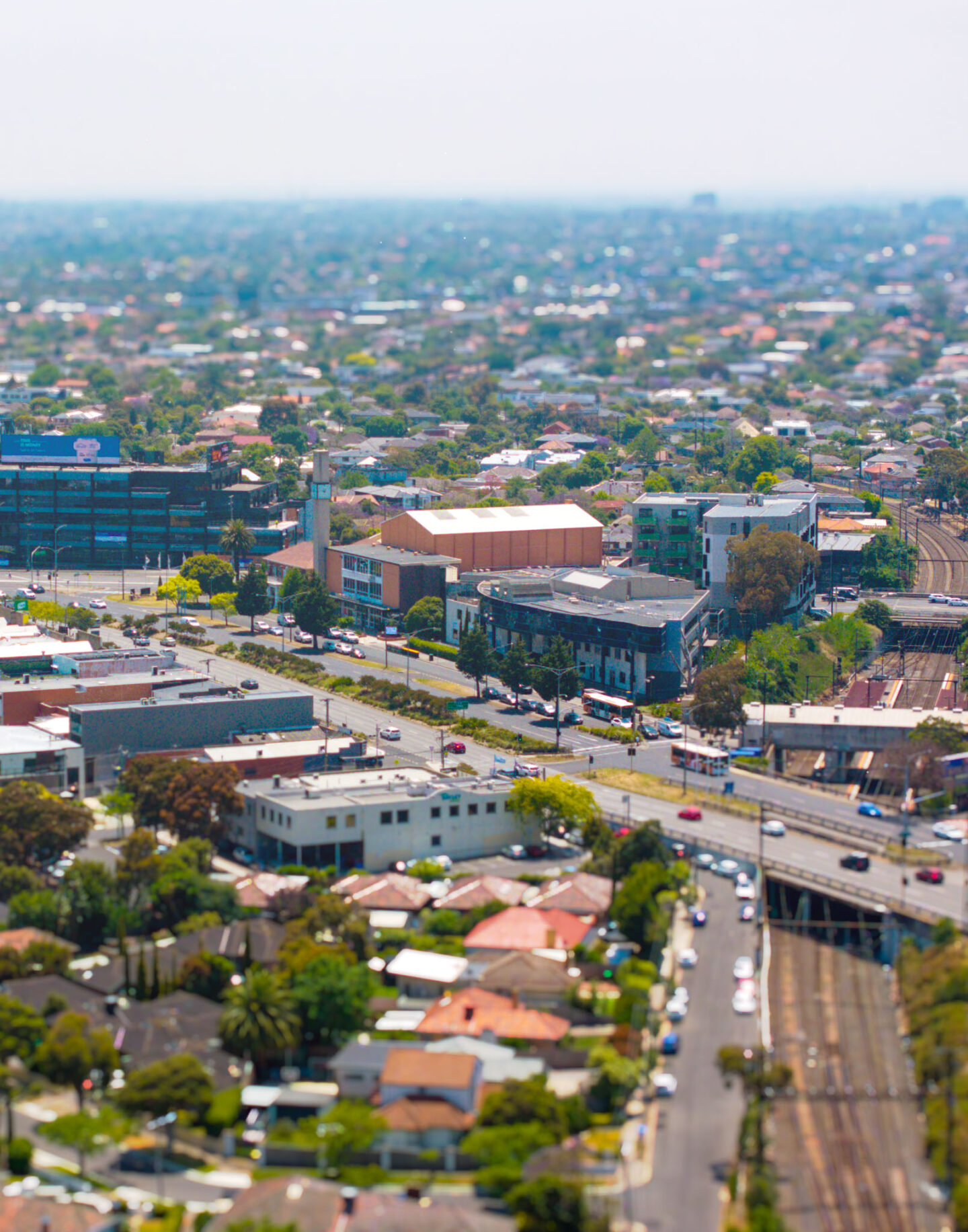
SRL East: What do the SAC’s Recommendations Mean For Development?
Planning for growth is about more than delivering new homes. It requires the right balance of infrastructure, open space, transport and community facilities to support thriving neighbourhoods over the long term. The Suburban Rail Loop (SRL) East Standing Advisory Committee (SAC) reports examine these challenges in detail, providing recommendations that will help shape the future of Melbourne’s six station precincts.
What is the SRL East project?
The Suburban Rail Loop (SRL) East project is a transformative State Government initiative that will deliver six new metropolitan train stations and associated Structure Plan areas to accommodate substantial urban growth as part of a more connected, sustainable, and multi-centric city.
The Standing Advisory Committee hearings
The Standing Advisory Committee (SAC) was appointed to assess the proposed Planning Scheme Amendments (PSAs) supporting the Structure Plans for each of the six SRL East Station precincts.
Hansen Partnership Directors David Barnes (Planning), Gerhana Waty (Urban Design) and Andrew Partos (Landscape Architecture) presented expert evidence throughout the hearings, assisting the Committee in its assessment of the proposed amendments.
Seven hearings were held between 27 August to 18 December 2025, comprising one overarching hearing on general issues and six precinct-specific hearings.
The SAC reports were publicly released in July 2026. Key findings and recommendations of the SAC are summarised below.
Long term implications of precinct development
The SAC acknowledged that the proposed precincts will have significant long-term implications for affected municipalities, with residential and employment populations projected to more than double by 2041. It emphasised that new open space and community infrastructure will be essential to achieving the Structure Plan visions and objectives.
The Voluntary Public Benefit Uplift Framework (VPBUF)
The proposed PSAs included a Voluntary Public Benefit Uplift Framework (VPBUF) to help deliver open space, community infrastructure, pedestrian links and social and affordable housing.
However following a detailed assessment, the SAC concluded that while the framework was intended to incentivise the delivery of this critical infrastructure, it could inadvertently discourage development.
The SAC recommended deferring the implementation of the VPBUF until further work is completed to demonstrate it is capable of practically delivering intended outcomes.
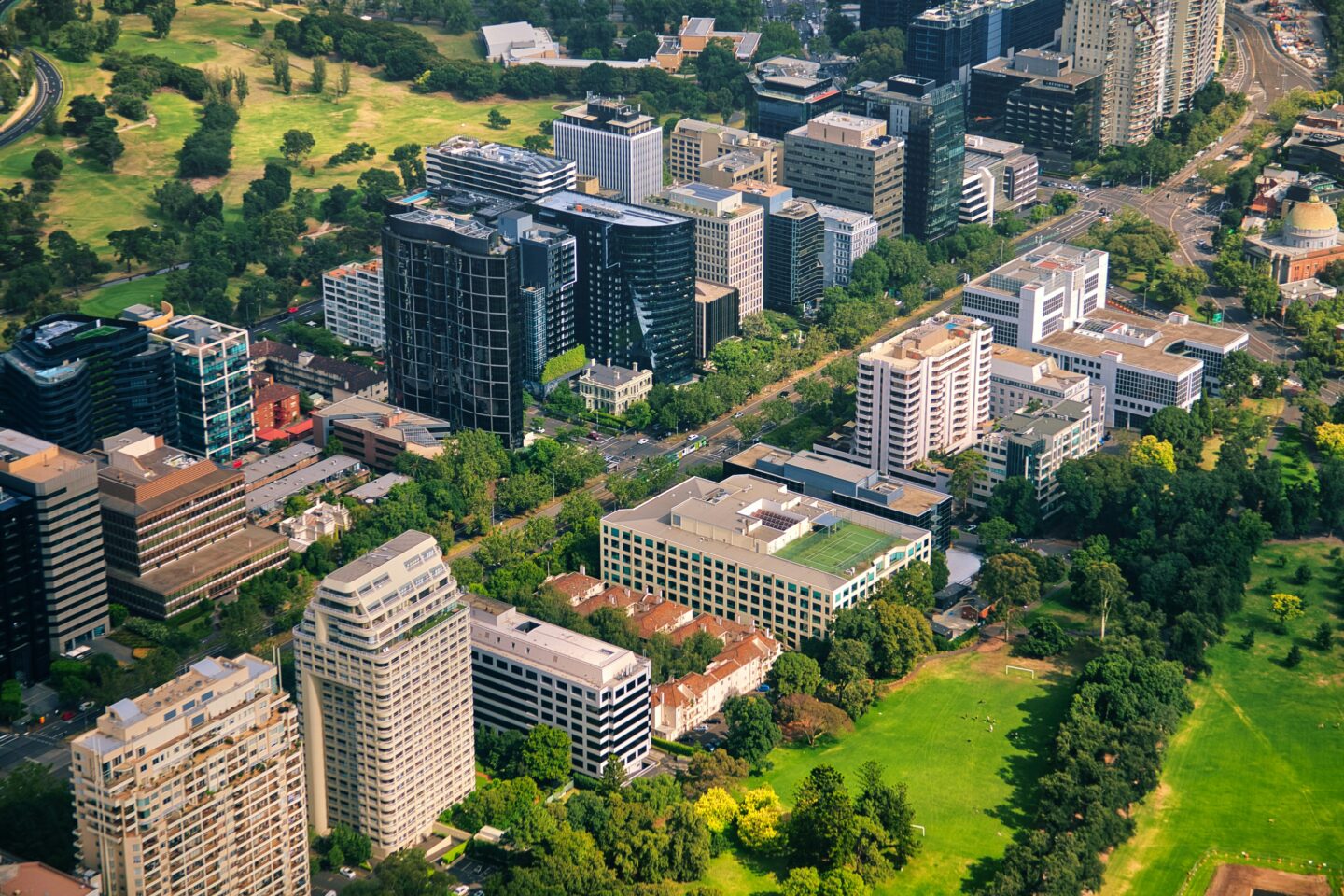
Planning for open space and community infrastructure
The SAC raised concerns about the proposed approach of deferring planning for open space and community infrastructure (including identifying the necessary land) until after the PSAs are implemented and land is rezoned.
The Committee considered that rising land values following rezoning, combined with early redevelopment, could reduce opportunities to secure well-located sites for future open space and community facilities.
The SAC further highlighted that if the land needed for critical open space and community infrastructure is not identified and protected from the outset, acquiring appropriate sites in the future would become increasingly difficult and expensive.
To address this, the SAC recommended detailed assessments to determine the quantity, location and type of open space and community infrastructure required to support future communities, with this land identified and reserved through the draft PSAs.
Planning for pedestrian links
The SAC acknowledged pedestrian connections as a critical element in creating walkable, permeable and high amenity neighborhoods as part of a shift towards sustainable transport modes.
However, it found the way pedestrian connections were identified throughout the Structure Plans and PSAs was complex and confusing, and lacking certainty regarding delivery mechanisms.
Key recommendations for further work
The SAC recommended further work in relation to:
- Open space planning, community infrastructure planning & pedestrian links.
- Targets for housing diversity and affordable housing.
- Solutions to increase climate resilience and reduce greenhouse gas emissions.
- The proposed ‘deemed to comply’ provisions.
- Strategic Sites and master planned sites.
- The application of the Environmental Audit Overlay.
The recommended way forward
The SAC queried the urgency for the implementation of new controls. In their view the proposed stations were expected to be the main catalyst for development and population growth, but the stations are not anticipated to open until 2035.
The SAC further noted that if there is an imperative of State Government to make changes to the Planning Schemes immediately, select parts of the draft PSAs could be implemented before further work is completed, including:
- New local policies.
- Bespoke Precinct Zone schedules for master planned sites.
- Precinct Zone and Built Form Overlay schedules for Station Development Areas, which are largely owned or controlled by the Proponent and are less likely to be required for future open space or community infrastructure.
- Parking Overlays.
The SAC also recommended deferring all other aspects of the draft PSAs until after the recommended further work has been completed.
Implementation of SRL East amendments
Following its assessment of the SAC reports, the Victorian Government progressively implemented the Planning Scheme Amendments during July 2026. While a number of the Committee’s recommendations informed the final amendments, others were not adopted.
- Of note, a number of key recommendations of the SRL East SAC were not adopted. As implemented, the amendments: Applied the Precinct Zone and Built Form Overlay across the majority of land within each designated station precinct, broadly as originally proposed.
- Introduced the Voluntary Public Benefit Uplift Framework (VPBUF) largely as originally exhibited.
The SRL East Standing Advisory Committee process represents an important step in shaping the planning framework for Melbourne’s future station precincts. While the final Planning Scheme Amendments differ from a number of the Committee’s recommendations, the reports provide valuable insight into the planning considerations that will continue to influence the delivery of these precincts over the coming decades.
About the Author
Richard Stevenson, Senior Associate
Richard Stevenson is an experienced urban and strategic planner with more than 20 years of experience across Australia and the United Kingdom. Based in Melbourne, he specialises in strategic and statutory planning, with expertise spanning major urban renewal projects, planning policy, heritage and environmental planning, and development approvals. Richard has contributed to several significant Victorian planning initiatives, including the State Government led planning controls for waterways, the Avalon Corridor Strategy, and World Heritage Environs Area (WHEA) Strategy Plans for the Royal Exhibition Buildings and the Victoria Trades Hall. He regularly advises public and private sector clients and represents matters before VCAT and Planning Panels Victoria.
Richard, and other Hansen staff involved in making presentations to the SAC would be happy to discuss the development implications of land within SRLs six station precincts.