Six Questions with Steve Schutt
Landscape Architecture Month is a great moment to reflect on the people and projects shaping our profession.
In this feature, we sat down with Steve Schutt, Director of Landscape Architecture at Hansen Partnership, and put six questions to him. With over 30 years of practice, Steve shares insights on formative influences, defining projects, leadership, and the evolving role of landscape architecture in Australia.
Who is a mentor, designer or landscape architect who has influenced your path?
Oi Choong, former Director of Context Landscape Design in Sydney, where I worked for five years. My time at Context coincided with the lead-up to the Sydney Olympics, and I was lucky enough to work on Olympic projects, along with other major public realm improvement projects happening at the same time. Oi’s ability to manage a team of very talented people to deliver outstanding design outcomes under extreme pressure is something I have always considered a benchmark for professionalism.
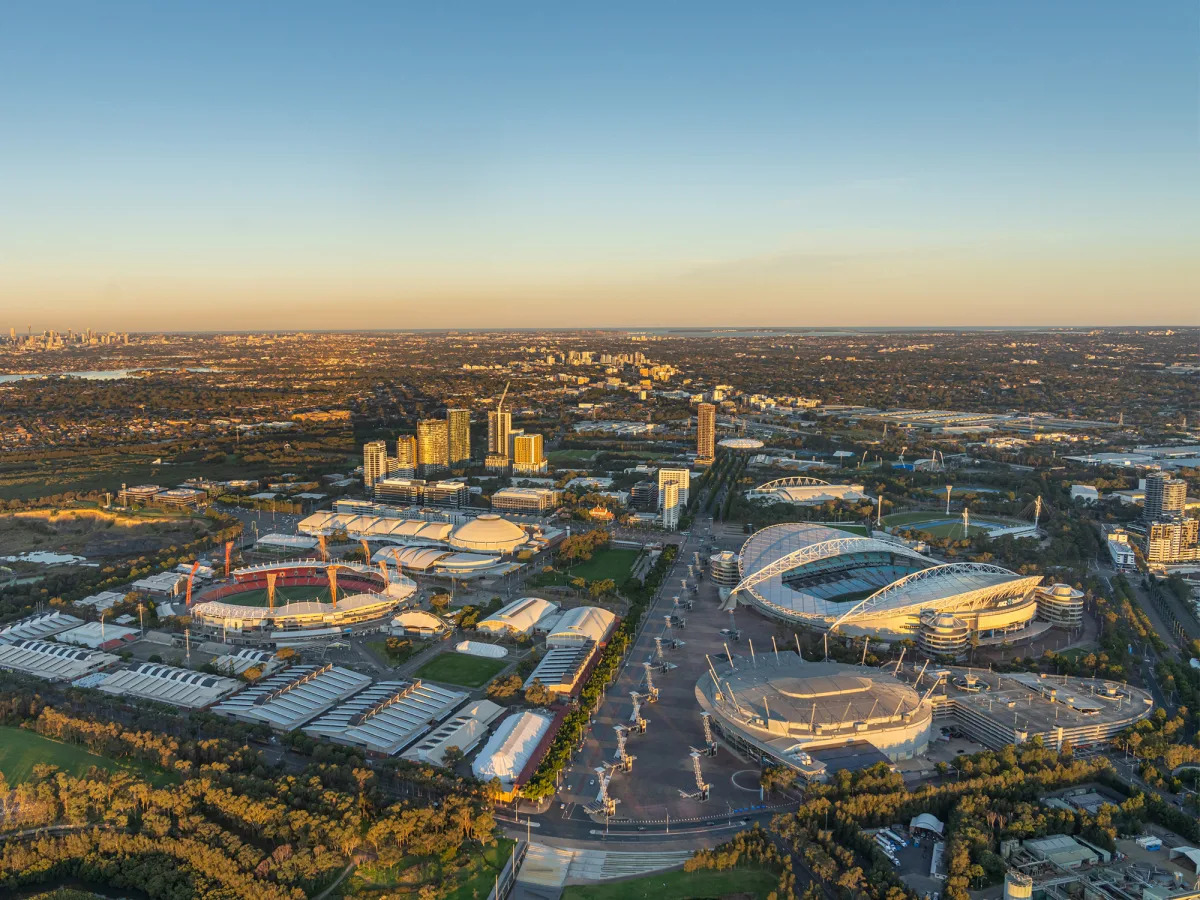
Sydney Olympic Park, Image Source: Sydney Olympic Park
What’s one project you’ve been involved in that made a meaningful impact, and why?
University Mall at UNSW in Sydney, designed and constructed between 1997 and 2001. It was by far the largest project I had been involved in, and probably remains one of the largest projects in my 30+ years of practice. The Mall is a really important piece of urban fabric, with a primary functional role of connecting a range of buildings and activities, but it was also designed with a strong focus on ensuring high levels of amenity and attractiveness. The experience of being a relatively young landscape architect (under 30 at the time), and being given responsibility to manage the design, documentation, and construction supervision of a project of that scale, was terrifying at the time, but it taught me many lessons that have stood me in good stead ever since.
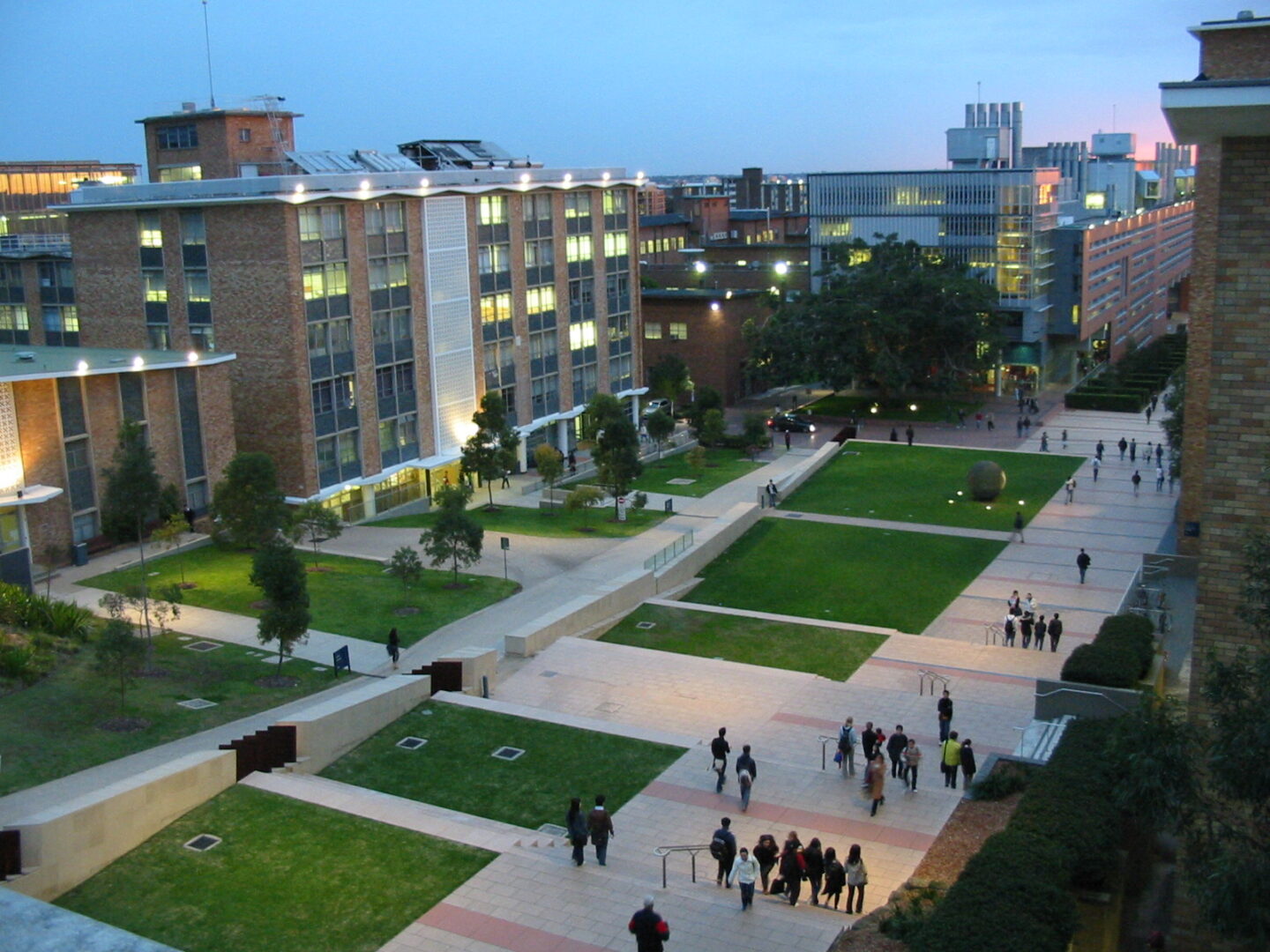
University Mall/Main Walkway, Image source: Jinbo Bu
What does leadership in action look like to you?
Leading by example and not asking people to do things that you would consider unreasonable if someone else asked you to do them. Leadership in action is knowing when to speak up, but also when to stay quiet. Although I expect a few long-term colleagues might raise an eyebrow when it comes to my ability to do that!
What change in landscape architecture do you think will define the next decade?
Landscape architecture (in Australia, at least) seems to be getting harder rather than easier. I feel that, by seeking to practise as generalists, with a little bit of knowledge about a lot of things, we have left ourselves open to ‘raids’ on our skillset by emerging professions that have sought to specialise in a number of the skills we (as landscape architects) used to be recognised for. The onus is on landscape architects to convince clients, collaborators, and the broader community that we are needed, and that we can deliver great projects as landscape architects.
What do you see as the biggest responsibility landscape architects carry?
To remain relevant. I recently attended the AILA National Conference, where some speakers reflected on the level of recognition afforded to landscape architects within the broader community. This highlights the need for us, as a profession, to better communicate our value and demonstrate why our role is essential.
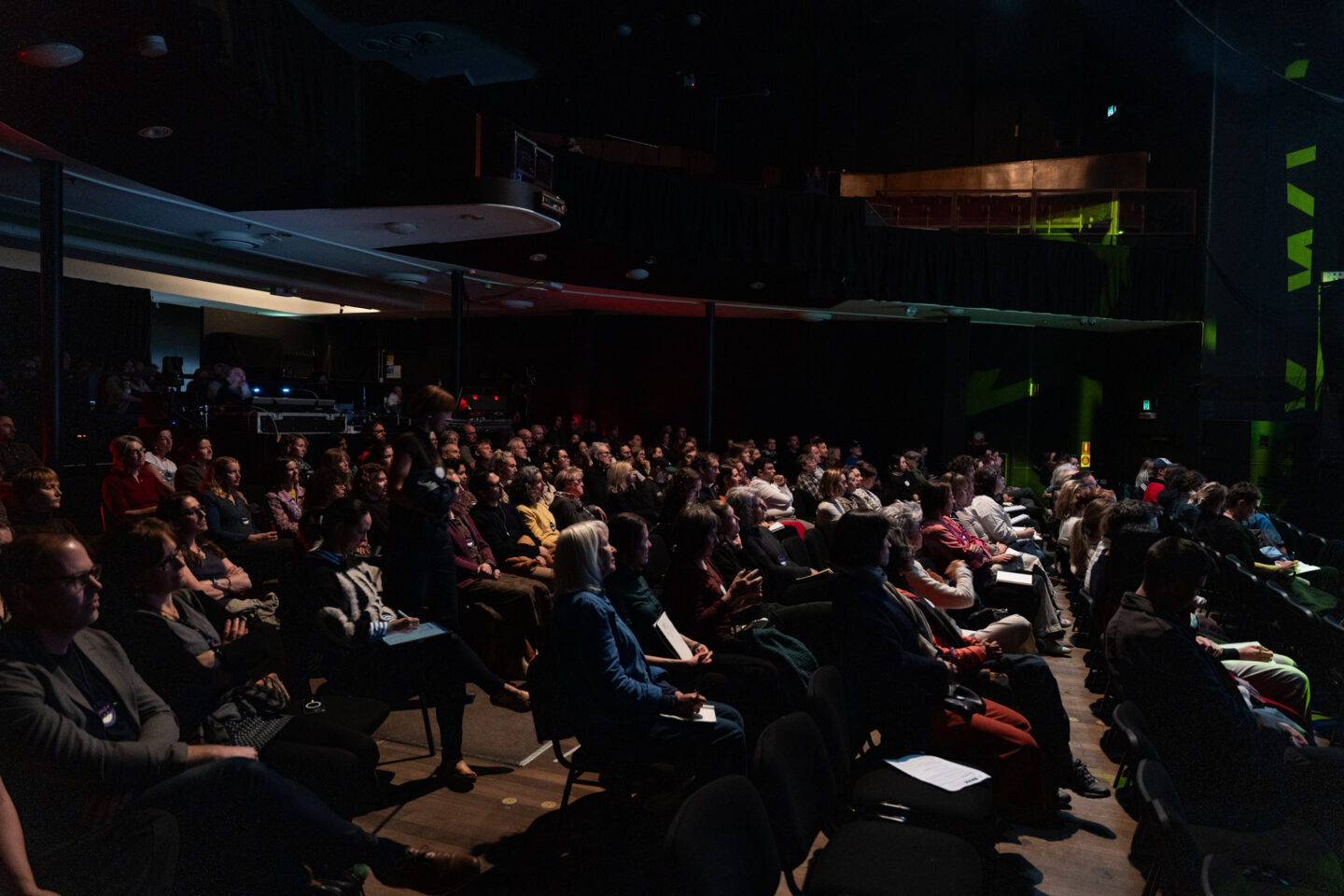
2025 AILA Conference, Image source: Australian Institute of Landscape Architects
What’s one piece of advice you wish you’d heard earlier?
Don’t go into landscape architecture for the money!